Sugar-Free Candy - Andy Anand
The Sugar-Free Candy Even Non-Diabetics Can't Stop Buying
Say "sugar-free candy" out loud to most people and watch them wince a little before they even respond. Fair enough, this stuff earned its bad name honestly. Gritty texture, that weird lingering aftertaste that shows up ten minutes later, a warning label on the back that basically dared you to eat a second piece.
But here's the thing. That reputation is old news at this point. People who've spent actual years working with sugar substitutes — real confectioners, not just food scientists in a lab somewhere, went and fixed the two problems that were tanking the category: taste, and how it feels in your mouth when you bite down. Walk down the candy aisle now, or browse online, and you'll run into chocolate bars, chewy candies, hard candies that just don't have sugar in them. No big announcement about it either.
So let's actually get into it. What's replacing the sugar, who this stuff is really for, why the internet won't stop warning people about it, and how you shop for a bag that doesn't disappoint you.
Why More People Are Paying Attention Now
Sugar-free candy used to live on one sad little shelf, bought mostly by people with diabetes because, frankly, they didn't have a choice. That's not really true anymore. Now you've got:
-
Parents who don't want to ban treats outright but also don't want their kid eating 30 grams of added sugar before lunch
-
Keto and low-carb folks who still want something sweet at the end of a long day
-
People with prediabetes or insulin resistance, told by a doctor to start watching their numbers
-
Gift shoppers looking for something a diabetic friend or relative can actually eat
-
And honestly, just people who woke up one day and decided they wanted less sugar. No diagnosis required.
Once something stops being a medical requirement and starts being a choice, the bar goes up fast — nobody's going to pick the worse-tasting option just because it's sugar-free. Candy companies figured that out eventually, or they lost the shelf space.
What's Standing In for the Sugar
None of the sweetness in this stuff happens by accident. Two main tools do the job.
Sugar alcohols first, erythritol, maltitol, sorbitol, xylitol, lactitol. These occur naturally in tiny amounts in things like berries, but what ends up in your candy bar is made separately, at scale. Their job is mostly about bulk and mouthfeel; that's why they show up in gummies as much as chocolate.
Then there's the intense sweeteners — stevia, monk fruit, sucralose, aspartame. Wildly sweeter than sugar by weight, so a little goes a long way. Since they don't add any bulk on their own, they usually get paired with a sugar alcohol or some fiber just to give the candy something to hold onto structurally.
Right now stevia and monk fruit are the ones people keep gravitating toward — mostly because shoppers want ingredient lists they can actually pronounce. You can see it in the search terms too: "stevia candy," "monk fruit sweetened chocolate," showing up right next to the general sugar-free searches.
Who Actually Gets Something Out of This
People with diabetes. This is who the category was built for in the first place, and it’s still the group with the most riding on it. Regular candy can spike blood sugar quickly because sucrose is absorbed fast. Candy made with low-glycemic sugar alcohols mostly avoids that. However, portion size still matters because some sweeteners contain partial calories and may still affect blood sugar if eaten in large amounts.
Keto and low-carb eaters. It comes down to net carbs, basically. Erythritol especially tends to pass through the body without being absorbed much, which is why it’s often left out of net-carb calculations on keto labels. It’s worth double-checking, though, because not every sugar alcohol is treated the same way on a label.
Parents managing snack time. A lot of families aren’t looking for anything medical. They just want their kids to have something that feels like a treat without the sugar crash an hour later.
Anyone cutting back for their own reasons. You don’t need a doctor’s note to want less sugar in your life. Some people simply notice energy crashes or unwanted weight gain and start swapping sugar-free versions for the treats they already enjoy.
Does It Actually Taste Like Candy?

This is really the question that decides everything — does someone buy it again, or write off the whole category after one bag. And honestly, it depends a lot on which candy, which brand.
Hard candy and chocolate get the closest to the real thing, since sugar alcohols do a decent job copying sugar's crystal structure in those forms. Gummies are the hard one. Getting the chew right means nailing the exact sweetener ratio, and old sugar-free gummy recipes are basically why this whole category got such a bad rap to begin with.
The brands that actually nail the flavor tend to mix more than one sweetener rather than betting on just one. Stevia plus a sugar alcohol, for example — that combo tends to cancel out whatever faint aftertaste either one has by itself, and you end up with something you'd genuinely forget was sugar-free.
The Stomach Thing Nobody Skips Mentioning
If you've read even one review of sugar-free candy online, you've seen the warnings about stomach trouble. And unlike a lot of stuff that gets exaggerated on the internet, this one's actually real.
Sugar alcohols like sorbitol, mannitol, and maltitol don't fully break down in your small intestine. Whatever's left heads to the large intestine, pulls in water, starts fermenting — and that's your bloating, your gas, sometimes a laxative effect if you went too hard on the bag. It's exactly why the FDA makes companies print a warning label once there's a meaningful amount of sorbitol or mannitol involved.
A few things worth actually knowing before you dive in:
Test it out first, a handful of pieces, not the whole bag, especially with gummies. Erythritol tends to be the gentlest of the bunch since more of it gets absorbed before reaching the colon. Some people build up a tolerance with regular exposure over time, though that's not a given for everyone. And honestly, serving size matters way more than the sugar-free label does — almost every bad stomach story out there involves someone going way past what a normal portion actually is.
None of this makes the candy dangerous. Just means the same rule applies here as everywhere else: eat a reasonable amount, not the whole bag in one sitting.
Chocolate, Gummies, Hard Candy: They're Not All Equal
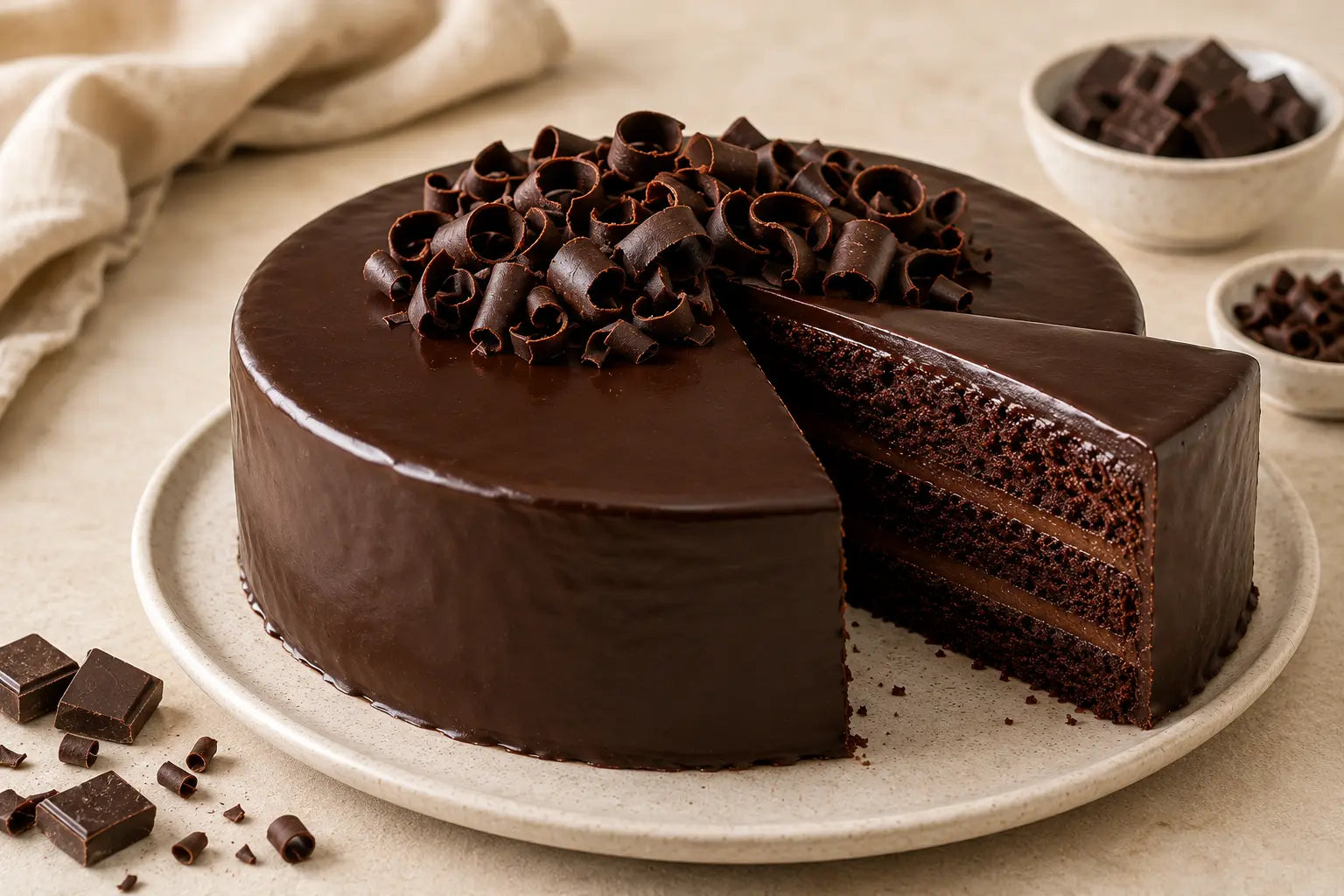
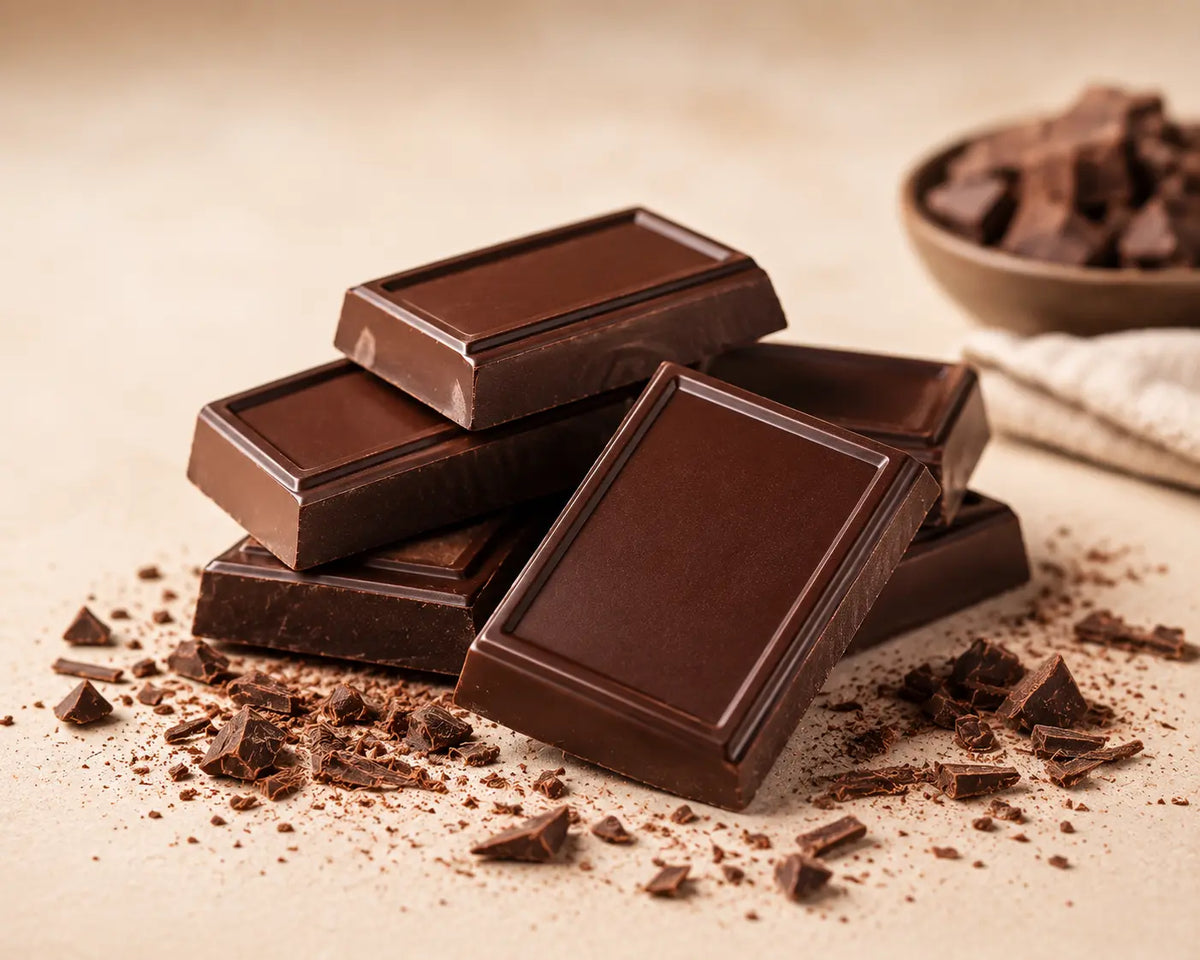
Sugar-free chocolate tends to hold up the best out of the bunch, mostly because so much of chocolate's flavor comes from the cocoa itself, not the sweetener. Erythritol-based chocolate especially has become something of a favorite with keto and diabetic shoppers — it melts and snaps almost exactly like regular chocolate does.
Gummies are the trickiest to get right, still. A lot of the older formulas leaned way too hard on maltitol, which is most of why this category got such a bad name in the first place. Newer recipes, using smaller and more carefully balanced blends, have come a long way since then.
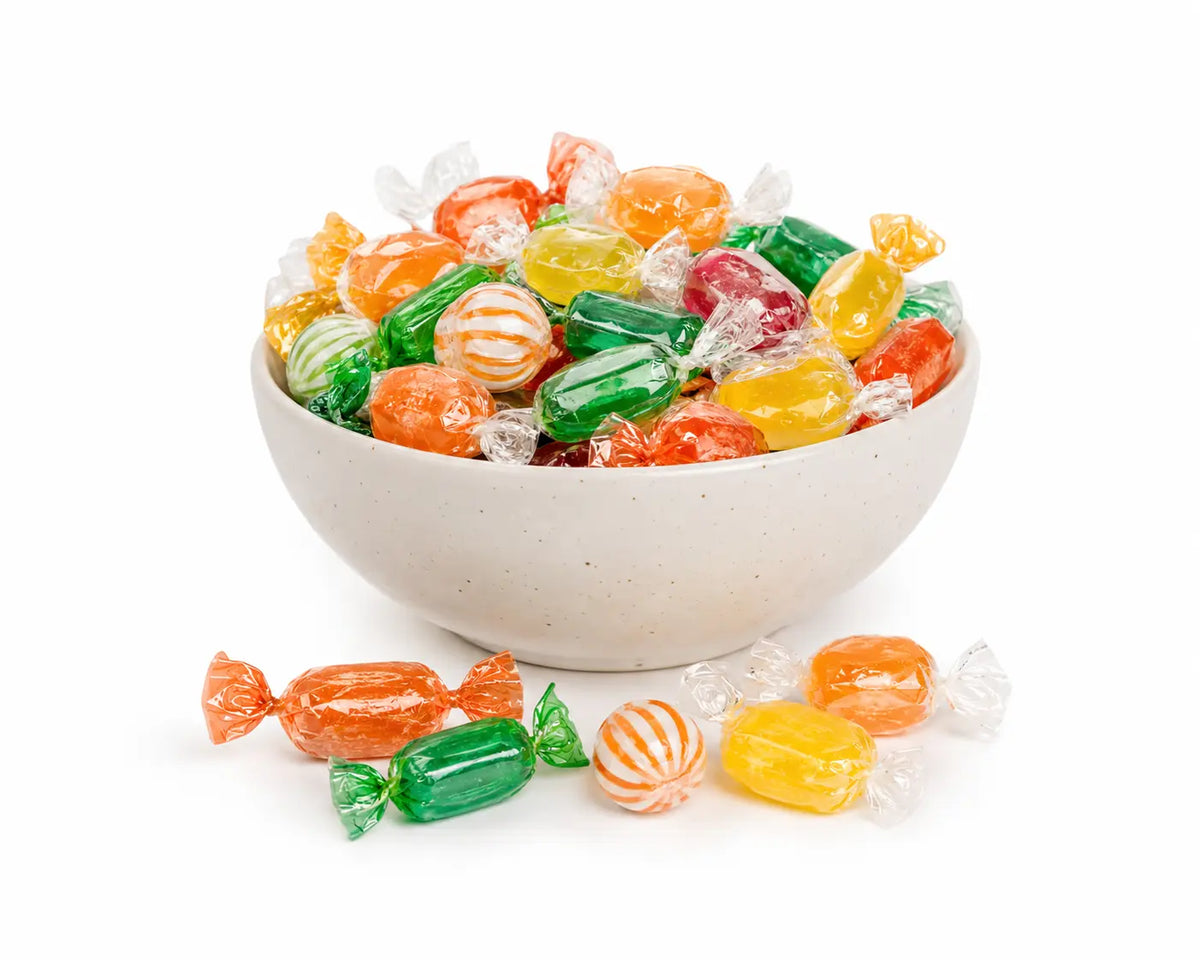
Hard candy — lemon drops, ginger candy, that kind of thing — is one of the easier wins honestly, since hard candy is basically just a cooked syrup to begin with, and substitutes translate into that pretty cleanly.
Reading the Label Without Losing Your Mind
Sugar-free candy labels look more complicated than a regular wrapper, mostly because of terms most people have never had a reason to think about before now.
There's usually a "Sugar Alcohols" line right under total carbs — this tells you how many grams of stuff like erythritol or maltitol are packed into a serving. A high number relative to the serving size predicts stomach trouble way better than the "sugar-free" claim on the front of the bag ever will.
Then there's "net carbs", a lot of keto candy subtracts sugar alcohols and fiber from the total carb count to land on a smaller number. It's common in the industry, sure, but it's not an officially regulated term, so treat it as a rough estimate rather than gospel, especially if you're tracking carbs for a real medical reason.
Ingredients are still listed heaviest-first, same as any food label. If something you're trying to avoid shows up near the top instead of buried at the bottom, that's worth paying attention to.
And serving size versus the whole bag, this is honestly where most complaints start. Six pieces might be "one serving" and it's incredibly easy to blow past that without even noticing. Just glance at it before you start eating.
Picking a Brand You Can Actually Trust
A few things worth checking before you commit to a bag:
Look past the "sugar-free" label itself and actually read the sweetener list, stevia and monk fruit tend to be what people avoiding artificial stuff are hunting for. Check the sugar alcohol grams against the serving size if your stomach tends to be sensitive. See what other boxes it checks too, gluten-free, dairy-free, vegan, keto — since a lot of sugar-free shoppers are juggling more than one dietary thing at once anyway. Read reviews that specifically mention aftertaste and texture, because those are the two spots where sugar-free candy usually falls apart. And generally, go with a company that specializes in this — rather than one that just bolted a sugar-free option onto a regular candy lineup as an afterthought. Specialization usually means someone actually tested the recipe properly.
Andy Anand's sugar-free lineup fits that description pretty well — chocolates, cheesecakes, candies made with stevia and other diabetic-friendly sweeteners, coming out of a small California bakery and shipped nationwide, rather than something tacked onto a factory line built for regular sugar first.
It's Turning Into a Gift as Much as a Snack
Sugar-free candy shows up in a lot more places than it used to. Office candy bowls next to the regular stuff. Care packages for grandparents managing diabetes. Lunchboxes for kids whose parents are keeping an eye on sugar intake.
It's changed the gifting side too. A box of sugar-free chocolates, or a tin of sugar-free ginger candy, has become a real way of showing someone with diabetes you actually thought about what they can eat — instead of handing over a standard assortment they'd have to pass on entirely. Around the holidays, searches for things like "sugar-free candy gift" or "diabetic-friendly gift basket" tend to climb, which tells you something about how this category gets used now. It's not just a personal snack anymore. It's a way people look out for each other.
Frequently Asked Questions
Is sugar-free candy actually good for you?
Not healthy food, no. But it can be a smarter pick than regular candy if you're managing blood sugar, doing low-carb, or just trying to eat less added sugar in general. Still has calories, still deserves the same moderation as any treat.
Why does sugar-free candy upset some people's stomachs?
Mostly comes down to sugar alcohols — sorbitol, maltitol, mannitol — that the body doesn't fully absorb. Eat too much and they pull water into your intestines, which means bloating, gas, sometimes worse. Sticking near the listed serving size usually keeps this from happening.
Can people with diabetes eat sugar-free candy safely?
Usually, yes, it moves blood glucose a lot less than regular candy does. That said, some sugar alcohols carry partial calories and carbs, so it's worth checking labels and maybe running amounts by a doctor or dietitian.
Will switching to sugar-free candy actually help with weight loss?
It can help, since it cuts added sugar and often has fewer calories than the regular version. But it's not calorie-free. Portion size still matters if weight loss is the actual goal here.
Which sweetener shows up most in the good sugar-free candy?
Honestly no single winner — depends what you care about. Stevia and monk fruit for people wanting something natural, erythritol if your stomach is sensitive, sucralose because it's heat-stable and everywhere.
Is sugar-free chocolate an easier choice than sugar-free gummies?
Not necessarily healthier, but usually easier on your stomach — chocolate just uses a lot less sugar alcohol overall than a chewy format like gummies does.
Is it fine for kids to eat sugar-free candy?
In small amounts, sure. Kids tend to be more sensitive to sugar alcohols than adults are though, so keep portions small, especially the first time they're trying something new.
Where's a reliable place to buy sugar-free candy in the US?
Most major grocery chains carry it, but bakers who specialize specifically in diabetic- and keto-friendly treats, Andy Anand is one — usually have a wider, better-tested selection than whatever's on a single shelf tag somewhere.
Where This Leaves You
Sugar-free candy has moved well past its old reputation at this point. It's not just a fallback anymore for people who have no other option, it's a real choice for anyone who wants something sweet without the crash that used to follow a few minutes later. The category's still not flawless. Overdo it and the stomach stuff is real, and plenty of brands still don't get the taste right. But the ones that actually take time balancing their sweeteners prove that skipping sugar doesn't mean skipping flavor.
First time trying it? Start small. Pick a brand that treats sugar-free candy like its actual specialty, not something bolted on as an afterthought. Give your taste buds and your stomach — a little time to catch up. There's a decent chance you end up more impressed than you thought you'd be.