Sugar-Free Cheesecake Recipe People Actually Love
Sugar-Free Cheesecake Recipe People Actually Love
Cheesecake without sugar sounds like it should be sad. A little dry, maybe a bit chalky, definitely missing something. And honestly, a lot of homemade attempts do turn out that way, mostly because the recipe wasn't built for a sugar substitute in the first place. Regular sugar does more than sweeten in baking, so just swapping it out one for one usually leads to a mess.
The good news is that a properly made sugar free cheesecake recipe can taste just as rich and creamy as the real thing. No weird aftertaste, no dry crumbly texture, none of that. This one has been adjusted specifically for sugar substitutes, not just borrowed from a regular recipe and tweaked slightly.
Below you'll find the full recipe, plus the reasons homemade sugar free cheesecake usually goes wrong, some flavor variations worth trying, and answers to the questions people ask most often before they even start baking.
Why Regular Cheesecake Recipes Fall Apart When You Remove The Sugar
Sugar isn't just there for sweetness. It holds moisture, it affects how the filling sets, and it plays a role in texture that people don't think about until it's missing.
Take that sugar out and swap in something like erythritol without adjusting anything else, and you'll often end up with a filling that's slightly grainy or a texture that's just a bit off. This is the number one reason homemade sugar free cheesecake gets a bad reputation. It's rarely the sweetener's fault. It's usually the recipe.
That's why the recipe below leans on a blend of sweeteners and a couple of small technique adjustments, rather than a straight sugar swap.
What You Will Need For This Sugar Free Cheesecake
This makes one 9 inch cheesecake, roughly 10 to 12 slices depending on how generous you're feeling.
For the Crust
- 1 and a half cups almond flour
- 3 tablespoons melted butter
- 2 tablespoons granulated erythritol or allulose
- A pinch of salt
For the Filling
- 24 ounces full fat cream cheese, softened to room temperature
- 3/4 cup granulated erythritol or a monk fruit blend
- 3 large eggs, room temperature
- 1/2 cup full fat sour cream, room temperature
- 1 tablespoon pure vanilla extract
- 1 tablespoon lemon juice
That's it. Nothing exotic, nothing you'll need to order from three different specialty stores.
How To Make Sugar Free Cheesecake Step By Step
Start with the crust. Preheat your oven to 325 degrees Fahrenheit. Mix the almond flour, melted butter, stevia sweetener, and salt together until it looks like wet sand. Press it firmly into the bottom of a 9 inch springform pan, going about half an inch up the sides if you can manage it. Bake for 8 to 10 minutes, then set aside to cool while you make the filling.
Beat the cream cheese first, by itself. This step gets skipped a lot, and it shouldn't. Beat the softened cream cheese alone for a good two minutes until it's completely smooth with zero lumps. Add the sweetener in and beat again until fully combined.
Add the eggs one at a time. Mix on low speed after each one, just until incorporated. Overmixing at this stage is one of the most common reasons cheesecake cracks later, so resist the urge to speed through it.
Fold in the rest. Add the sour cream, vanilla, and lemon juice. Mix on low until everything is just blended. The batter should look smooth and slightly thick, similar to a very heavy pancake batter.
Pour and bake. Pour the filling over your cooled crust. Bake at 325 degrees for about 50 to 55 minutes. The center should still have a slight jiggle when you gently shake the pan. It will firm up as it cools, so don't wait for it to look completely set in the oven.
Cool it slowly. Turn the oven off, crack the door open, and let the cheesecake sit inside for about an hour. This slow cooldown is what prevents that sunken, cracked top you sometimes see in homemade cheesecakes.
Chill before serving. Once it's reached room temperature, cover it and refrigerate for at least 4 hours, though overnight is even better. Cheesecake genuinely tastes better the next day, once the flavors have had time to settle.
The Mistakes That Usually Ruin A Sugar Free Cheesecake
Using cream cheese straight from the fridge. Cold cream cheese doesn't blend smoothly, and you'll end up with lumps no amount of mixing will fully fix. Give it a real hour on the counter before you start.
Overbaking it. This is probably the single biggest culprit behind dry, grainy sugar free cheesecake. Since sugar substitutes don't behave exactly like sugar in the oven, cheesecake with erythritol or monk fruit can dry out a bit faster than you'd expect. Pull it out while the center still jiggles slightly.
Skipping the water bath, or not skipping it consistently. Some bakers swear by a water bath for cheesecake, others skip it entirely. Either way works fine as long as you're consistent and don't blast the oven temperature too high, which is what actually causes most cracking.
Using a single sweetener instead of a blend. A straight erythritol swap can leave a cooling aftertaste in larger amounts. Blending it with a bit of monk fruit or allulose usually balances that out nicely.
What You Actually Need In Your Kitchen Before You Start
You don't need anything fancy for this, but a few basics make the process a lot smoother.
A 9 inch springform pan is pretty much essential. The removable sides make it possible to get a clean slice without wrestling the cheesecake out of a regular pan.
A hand mixer or stand mixer saves a lot of arm strength when beating the cream cheese smooth. It's technically possible by hand, but not something most people want to attempt.
A rubber spatula for scraping down the sides of the bowl matters more than people think. Cream cheese likes to hide in the corners, and unmixed lumps show up in the final texture if you skip this step.
Aluminum foil, if you're using a water bath, to wrap the outside of the springform pan and keep water from sneaking in through the seams.
A Quick Note On Ingredient Temperature
This gets mentioned briefly above, but it deserves its own space because it genuinely changes the outcome. Every dairy ingredient in this recipe, the cream cheese, sour cream, and eggs, should sit out at room temperature for at least 45 minutes to an hour before you start.
Cold ingredients don't blend evenly. You'll end up beating the mixture longer to try to smooth out lumps, and overmixing introduces extra air into the batter, which is part of what causes cheesecake to puff up in the oven and then crack as it deflates while cooling.
It sounds like a small detail, but skipping this step is one of the more common reasons a first attempt at sugar free cheesecake doesn't turn out quite right.
Roughly What's In Each Slice
Based on cutting this into 12 slices, each one comes in at approximately 280 calories, 24 grams of fat, 6 grams of net carbs, and 7 grams of protein. These numbers will shift a bit depending on the exact sweetener brand you use, since net carb counts vary slightly between products.
If you're tracking macros closely, it's worth checking the nutrition label on whichever sweetener you pick, since some blends include a small amount of additional carbs from fillers.
Baked Cheesecake Or No Bake Which One Should You Actually Make
Both versions have their place, honestly.
Baked cheesecake, like the recipe above, has that dense, rich texture people usually picture when they think of cheesecake. It takes more time and a bit more attention, but the payoff is a texture that's hard to beat.
No bake sugar free cheesecake is the quicker option, usually set with gelatin or just chilled long enough to firm up on its own. It's lighter, a little less dense, and a good pick if you're short on time or don't want to deal with oven timing at all.
If it's your first time making a sugar free version, baked is generally more forgiving in terms of flavor, since the baking process helps mellow out any sweetener aftertaste.
A Few Flavor Variations Worth Trying
Once you've got the base recipe down, it's easy to switch things up.
Lemon Cheesecake
Works especially well with sugar substitutes, since the tartness balances sweetness nicely. Just double the lemon juice and add a bit of zest to the filling.
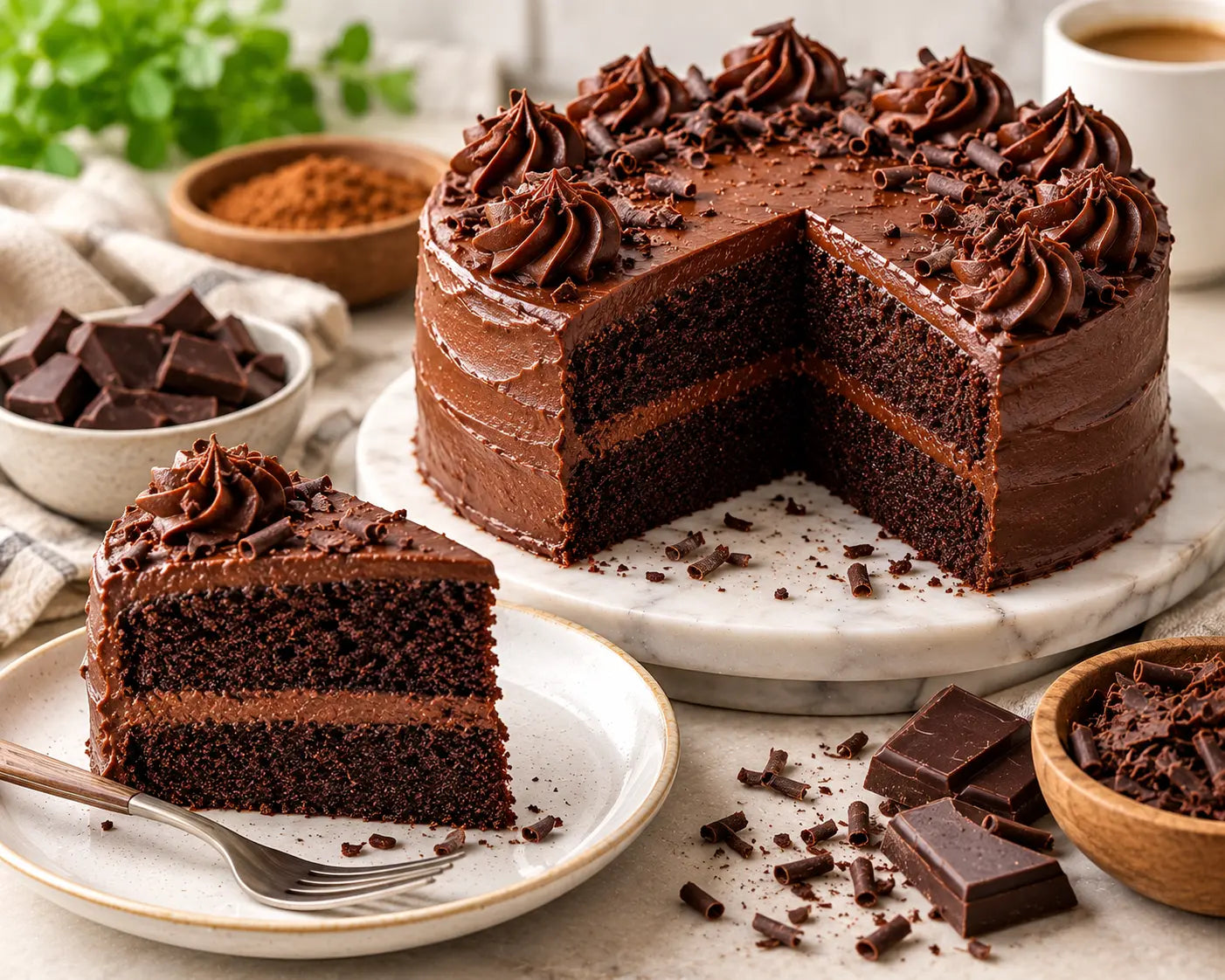
Chocolate Cheesecake
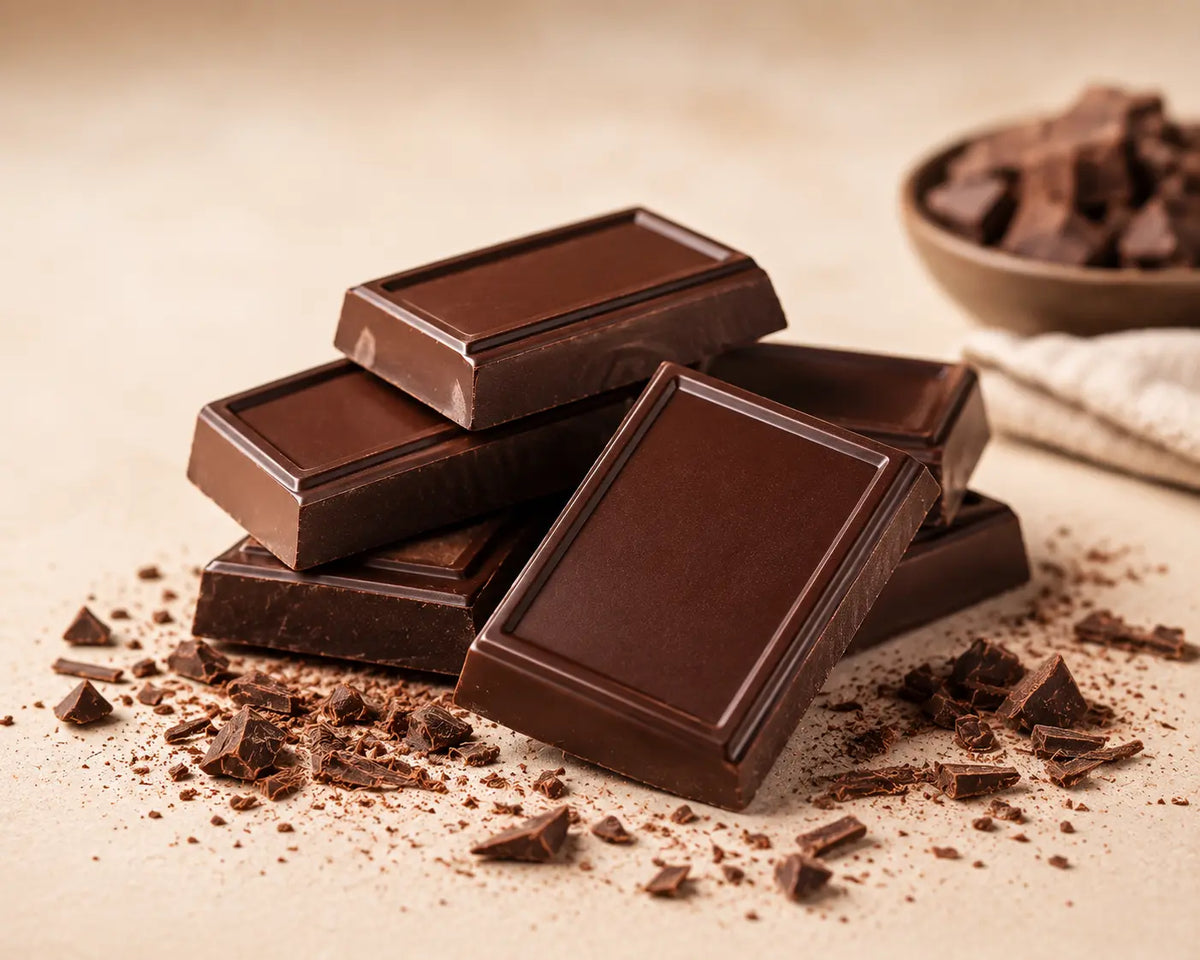
Can be made by melting a couple ounces of sugar free chocolate and folding it into the filling before baking. Dark chocolate tends to work best here.
Strawberry Cheesecake
It's easy to top with a quick sugar free strawberry sauce made by simmering fresh strawberries with a little sweetener and lemon juice until it thickens slightly.

Pumpkin Cheesecake
Is a solid seasonal option, swapping in pumpkin puree and warm spices like cinnamon and nutmeg for the holidays.
New York Style Cheesecake
Keeps things classic and extra rich, usually made with a slightly denser filling and baked a touch longer for that firm, creamy texture the style is known for. A plain vanilla topping or nothing at all lets the tangy cream cheese flavor stand on its own.
German Fudge Cheesecake
Brings in a layer of chocolate fudge folded into or swirled through the filling, giving it a deeper, more dessert-forward flavor than a regular chocolate version. It pairs especially well with a chocolate cookie crumb crust instead of almond flour.
Mousse Cheesecake
Skips the dense bake entirely and leans lighter and airier, usually made by folding whipped cream into the base filling before chilling instead of baking it. It's a good pick if you want cheesecake flavor without the heavier, richer texture of a traditional bake.
Is Sugar Free Cheesecake Actually Good For Diabetics
Generally speaking, yes, though it's worth looking a bit closer than just the sugar content alone.
Net carbs matter more than sugar by itself when it comes to blood sugar impact, and almond flour crusts tend to keep this recipe lower in carbs than a traditional graham cracker crust would.
That said, everyone's body responds a little differently to sugar alcohols like erythritol, so it's worth checking in with a doctor or dietitian if you're managing diabetes closely and want to know exactly how a specific recipe fits your plan.
How To Store Sugar Free Cheesecake So It Actually Stays Good
Cheesecake keeps well in the fridge for up to five days, covered tightly so it doesn't pick up other flavors from your fridge.
For longer storage, sugar free cheesecake freezes surprisingly well. Wrap individual slices tightly in plastic wrap, then foil, and freeze for up to two months. Thaw overnight in the fridge rather than on the counter, since a slow thaw keeps the texture from getting watery.
Making This Ahead For A Party Or Holiday
Cheesecake is actually one of the more forgiving desserts to make ahead of time, sugar free or not. Since it needs several hours to chill anyway, baking it a day or two before your event works in your favor rather than against it.
For Thanksgiving, Christmas, or a birthday party, bake it up to two days in advance, keep it covered in the fridge, and add any fresh toppings like berries or whipped cream right before serving. This also takes the pressure off on the actual day of the event, since one less thing needs to come together at the last minute.
If you're bringing it somewhere, transport it in the springform pan with the sides still attached, then remove the sides once you've arrived. It travels much better this way than trying to move a fully unmolded cheesecake on a plate.
If Baking Isn't Really Your Thing
Not everyone wants to spend an afternoon babysitting a cheesecake in the oven, and that's completely fair. If you'd rather skip straight to eating it, Andy Anand makes a sugar free cheesecake that's already been through all this trial and error, so you don't have to be.
People Often Ask
Why Does My Sugar-Free Cheesecake Taste Bitter or Have an Aftertaste?
This usually happens when too much of one sweetener is used, especially stevia on its own. Using a blend of sweeteners, such as erythritol with a small amount of monk fruit, can create a smoother and more balanced flavor.
Can I Use a Graham Cracker Crust Instead of Almond Flour?
Yes, you can use a graham cracker crust if you are not concerned about keeping the cheesecake low carb. Sugar-free graham crackers or digestive biscuits work well. Simply crush them and mix them with melted butter as you would with an almond flour crust.
Why Did My Cheesecake Crack on Top?
Cheesecake can crack because of overbaking, overmixing the eggs, or cooling it too quickly. To help prevent cracks, avoid overmixing the batter and allow the cheesecake to cool slowly after baking.
How Do I Know When the Cheesecake Is Done Baking?
The edges should look set, while the center should still have a gentle jiggle when you lightly shake the pan. The cheesecake will continue to firm up as it cools.
Is This Recipe Keto-Friendly?
It can be keto-friendly, especially when made with an almond flour crust and a low-carb sweetener. However, always check the nutrition information and net carb count of your specific sweetener, as different brands can vary.
Can I Make This Cheesecake Without Eggs?
Yes, but removing the eggs will change the texture because eggs help the filling set properly. If you need an egg-free option, a no-bake cheesecake made with gelatin can be a better choice.
How Long Does Homemade Sugar-Free Cheesecake Last in the Fridge?
Homemade sugar-free cheesecake can usually last for about five days in the refrigerator when covered tightly. For the best flavor and texture, it is recommended to enjoy it within this time.
What's the Best Sweetener for a Sugar-Free Cheesecake Filling?
A blend of sweeteners often works best. Erythritol can be used as the main sweetener, with a smaller amount of monk fruit or allulose added for a more balanced sweetness and smoother taste.
Can I double this recipe for a bigger crowd?
Yes, though it's easier to bake two separate 9 inch cheesecakes rather than one giant one, since a much larger cheesecake bakes unevenly and takes a lot longer in the center to set properly.
Does this recipe work in a springform pan smaller than 9 inches?
It can, but the cheesecake will be noticeably taller and need extra baking time in the center. If you're using a smaller pan, check for doneness a bit later than the times listed above, and expect the jiggle test to take a few extra minutes to reach.