Sugar Free Hard Candy That Actually Tastes Good
The Candy Aisle Habit Nobody Talks About
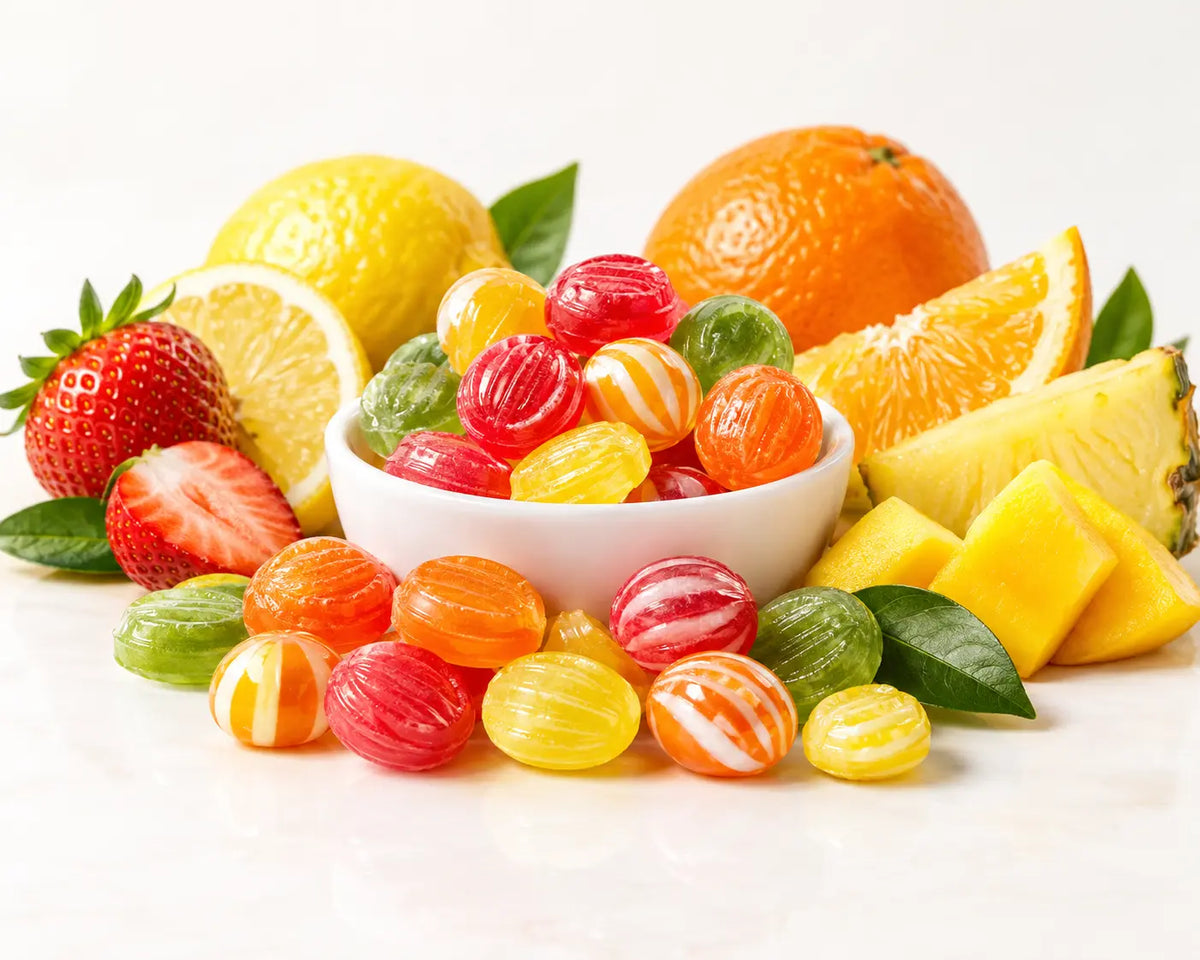
Hard candy is one of those things people grab without much thought. A bowl on a desk, a jar by the register, a handful tossed into a Halloween basket. Nobody stops to check the label, until they do, and realize a single piece can carry more sugar than they expected for something that small.
That's usually the moment people start looking into sugar free hard candy. And if the last one you tried was years ago, chances are it left a weird aftertaste or dissolved into something closer to chalk. That's not really where things stand anymore. Sweetener blends have improved a lot, and the sugar free versions on shelves today taste a lot closer to the original than most people expect.
This one walks through what sugar free hard candy is actually made of, which sweeteners tend to work best, what people in the US are commonly searching before they buy, and a few things worth checking so you don't end up with a bag you never finish.
What Makes Hard Candy "Sugar Free"
In the United States, the FDA only allows a "sugar free" label when a product has less than half a gram of sugar per serving. It's not a loose marketing phrase, it's an actual regulated threshold.
To hit that number without losing the classic hard candy texture, most brands lean on sugar alcohols, since these hold up well when a candy needs to be cooked to a hard crack stage. Common options include:
-
Isomalt: One of the most widely used sweeteners in sugar free hard candy specifically, since it behaves almost identically to sugar when heated.
-
Maltitol: Sweet, close to sugar in taste, but can cause digestive discomfort in larger amounts.
-
Erythritol: Very low glycemic impact, minimal aftertaste, though it can be trickier to work with at high candy-making temperatures.
-
Stevia or monk fruit: Sometimes blended in for extra sweetness without adding more sugar alcohol volume.
Isomalt tends to come up the most in candy-specific formulas, mainly because it doesn't crystallize the way some other sugar alcohols do, which matters a lot for that classic glass-like hard candy finish.
Why Sugar Free Hard Candy Has Gotten So Much More Popular
This isn't just a small niche anymore, and there are a few clear reasons behind the shift.
-
-
Diabetes management: Hard candy sweetened with sugar alcohols has a much smaller effect on blood glucose than the traditional version, which matters for something people tend to eat throughout the day rather than all at once.
-
Keto and low-carb diets: Many sugar free hard candies land in the low net-carb range, making them one of the easier sweet options on a restrictive plan.
-
Fewer sugar-related energy crashes: The quick spike-and-crash cycle that comes with regular candy is largely avoided.
-
Dental health: Less fermentable sugar sitting in the mouth over time, especially relevant since hard candy tends to dissolve slowly.
-
Halloween and holiday season: A growing number of households now hand out or gift sugar free options so kids and adults managing diabetes aren't left out during trick-or-treating or stocking-stuffer season.
-
That last point matters more in the US specifically than people realize. Search interest around "sugar free Halloween candy" and "diabetic friendly candy" climbs noticeably every fall, and it's not just parents of kids with diabetes, plenty of adults managing their own sugar intake are looking for the same thing.
Is Sugar Free Hard Candy Actually Better for You?
Depends on the brand, honestly, and it's worth being a little skeptical of anything that leans entirely on the "sugar free" label without saying much else.
A well-made version usually has:
-
A short, recognizable ingredient list
-
A sensible sweetener, or blend of sweeteners, rather than one artificial ingredient doing all the work
-
Clear labeling on total carbs, not just sugar content
-
No hidden sugar sources like corn syrup solids added for texture
"Sugar free" removes the sugar, but it doesn't automatically mean low calorie or low carb. Sugar alcohols still carry some calories, and the carb count on the label is the number worth checking, not just whether sugar shows up as an ingredient.
What People in the US Are Actually Searching For
A few patterns show up consistently when people look into this category:
-
Does sugar free candy cause diarrhea: A very common search, and a fair one, since sugar alcohols are known for this in larger amounts.
-
Sugar free candy for diabetics: Usually people newly diagnosed or shopping for a family member.
-
Best sugar free hard candy that doesn't taste fake: Flavor complaints are common enough that people specifically search around them.
-
Keto hard candy: Overlapping audience with the diabetic search group, but focused more on net carbs than blood sugar specifically.
-
Sugar free Halloween candy: Seasonal spike every September and October.
-
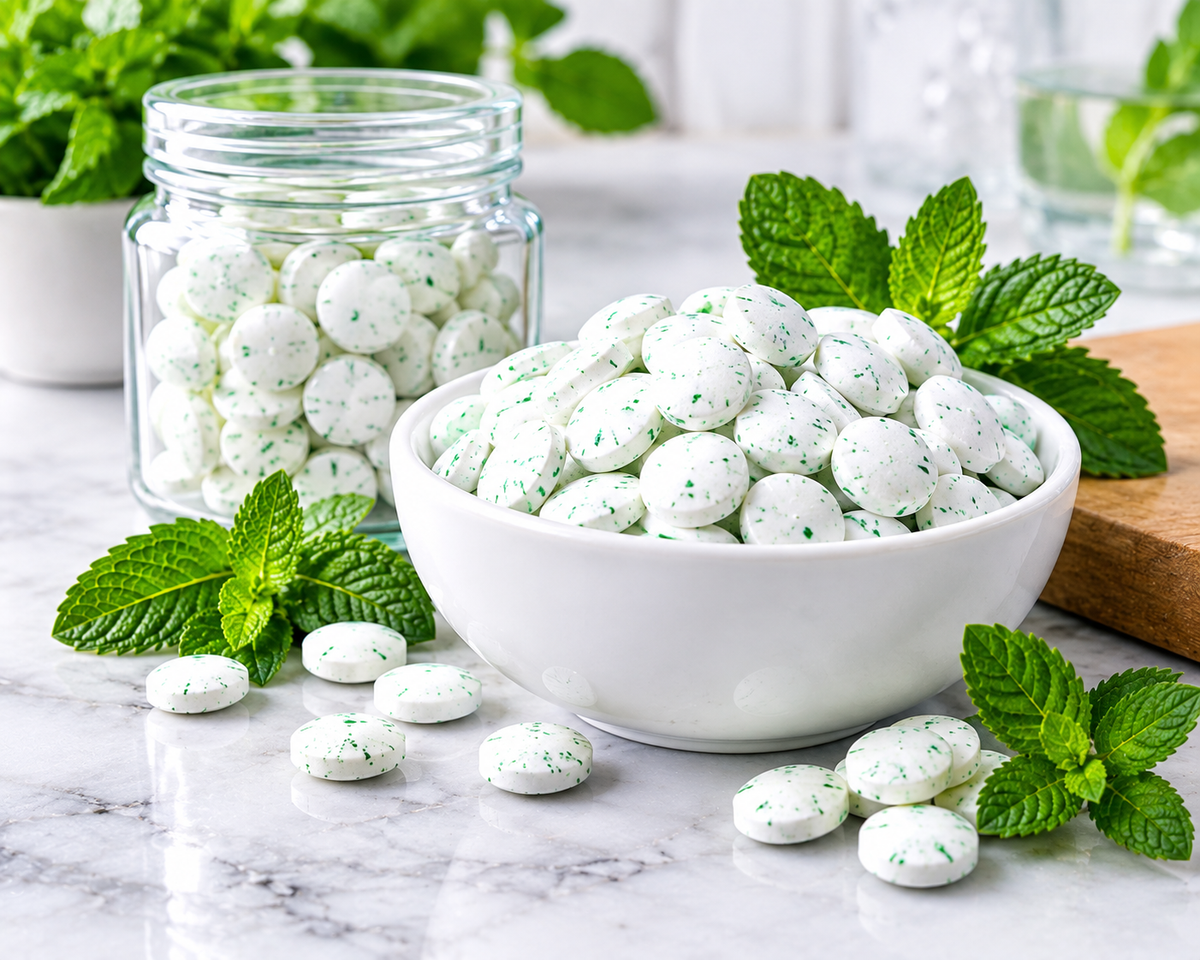
Sugar free butterscotch or sugar free peppermint candy: Flavor-specific searches, since these two flavors dominate the traditional hard candy category.
Building content and product pages around these actual phrases tends to match what people are looking for a lot better than generic "healthy candy" language.
Can Sugar Free Hard Candy Upset Your Stomach?
Yes, this one's worth addressing directly instead of glossing over. Sugar alcohols, maltitol especially, can cause bloating, gas, or a laxative effect if eaten in large amounts. This varies a lot from person to person, and it's dose-dependent. A couple of pieces spread throughout the day is very different from finishing a bag in one sitting.
Isomalt and erythritol tend to be gentler on digestion for most people compared to maltitol, so if you've had a bad experience with one sugar free candy before, it might be worth trying a brand that uses a different sweetener rather than writing off the whole category.
How to Pick a Bag Worth Buying
A few checks before adding one to the cart:
-
Look at the sweetener used. Isomalt and erythritol-based candies are usually gentler than ones relying heavily on maltitol.
-
Check total carbs, not just sugar. A candy can be sugar free and still carry a meaningful carb count from the sweetener itself.
-
Read reviews for texture complaints. Some sugar free hard candy sets up grainy or overly sticky depending on the sweetener blend used.
-
Start with a small bag first. Especially if you haven't tried sugar alcohols before, testing tolerance with a smaller amount avoids an unpleasant surprise.
-
Check the flavor list. Classic flavors like peppermint, butterscotch, and cinnamon tend to be the most consistently well-made across brands, since manufacturers have had the most practice with them.
The Difference Between Sugar Free and Sugar Alcohol Free
This trips a lot of people up, so it's worth clearing up early. "Sugar free" refers specifically to table sugar, or sucrose, being removed or kept under the FDA's threshold. It says nothing about sugar alcohols like isomalt, maltitol, or erythritol, which are technically a different category of carbohydrate and are almost always what's used to sweeten hard candy in the first place.
So when someone asks for "sugar alcohol free" candy, sugar free hard candy usually isn't what they're looking for, since the whole reason it holds its shape and sweetness is because of a sugar alcohol doing the work sugar used to do. Understanding this distinction upfront avoids a fair amount of confusion at checkout, and it's one of the more common mix-ups people run into the first time they shop in this category.
How Sugar Free Hard Candy Is Actually Made
The process isn't wildly different from traditional hard candy making, which is part of why the texture holds up so well. Sugar alcohols like isomalt get heated to what's called the "hard crack" stage, roughly 300°F, until the mixture becomes a clear, glass-like liquid. From there it's flavored, colored, poured into molds, and cooled until it sets into that familiar snap-when-you-bite-it texture.
Isomalt specifically became a favorite among candy makers because it mimics sugar's behavior at high heat almost perfectly, which is a bigger deal than it sounds. A lot of early sugar free candy attempts failed not because the sweetener didn't taste right, but because it crystallized or turned cloudy during cooking instead of staying glassy. That's a big part of why modern sugar free hard candy looks and snaps the way regular candy does, instead of coming out chalky or opaque the way older versions sometimes did.
Reading Labels the Right Way Before You Order Online
Buying candy online instead of picking it up in a store changes the label-reading process a bit, since you're relying on product descriptions and photos rather than the bag itself in hand. A few things worth doing before adding sugar free hard candy to an online cart:
-
Zoom into the ingredient photo if the listing includes one, rather than trusting the title alone, since "sugar free" in a product name doesn't always match what's printed on the actual nutrition panel
-
Check the serving size listed, since some brands count a small handful as one serving, which changes how the carb and calorie numbers actually compare to what you're likely to eat
-
Look for reviews mentioning texture or aftertaste specifically, since these details tend to get left out of product descriptions but come up often in genuine customer feedback
-
Confirm the sweetener blend if you know your own sensitivity, especially if maltitol has caused issues for you before
This matters a little more in the US market specifically, since online candy shopping has grown a lot, and it's easy to order a full bag before realizing the sweetener used doesn't agree with you.
A Note for Diabetics Specifically
Sugar free hard candy is generally considered a reasonable option for people managing diabetes, but a couple of things matter:
-
Total carbs still count, even without sugar in the ingredient list, since sugar alcohols are partially digested and can still affect blood sugar for some people
-
Portion size matters more than the label suggests — a "sugar free" bag doesn't mean unlimited
-
Checking with a doctor or diabetes educator before making candy a regular habit is a reasonable step, especially for anyone on insulin or other blood sugar medication
Sugar Free Hard Candy for Everyday Life, Not Just Holidays
While Halloween and holiday gifting drive a lot of search interest, plenty of people reach for sugar free hard candy for simpler, everyday reasons:
-
A desk drawer candy dish that coworkers managing diabetes can actually eat from
-
A car console stash for road trips, since hard candy holds up well without melting
-
A small sweet fix after meals without derailing a low-carb eating plan
-
A dry-mouth remedy, since hard candy stimulates saliva production while it slowly dissolves
Why Andy Anand Takes Sugar Free Candy Seriously
At Andy Anand, sugar free hard candy gets the same attention to flavor as everything else on the shelf. That means a sweetener blend chosen for taste and texture, not just the cheapest option that technically qualifies for the label — so what you're eating still feels like a real treat instead of a substitute you're settling for.
Whether it's for managing diabetes, keeping carbs low, or just cutting back on added sugar during the holidays, the goal stays the same: candy that doesn't remind you it's sugar free every time you unwrap one.
A Few Mistakes Worth Avoiding
-
Assuming sugar free automatically means low carb, always worth checking the actual nutrition label
-
Eating a large handful at once, especially the first time trying a new brand, since digestive tolerance varies
-
Ignoring the sweetener type when a previous sugar free candy caused stomach issues, rather than trying a different formula
-
Buying based on price alone, since cheaper often means a single artificial sweetener instead of a more balanced blend
-
Skipping ingredient checks for kids' candy, since not every sugar free option is appropriate for younger children
FAQs
Is sugar free hard candy actually safe for diabetics?
Generally yes, though total carbs still matter since sugar alcohols aren't fully carb-free. Checking the label and talking to a doctor about portion size is still a good habit.
Why does sugar free candy sometimes cause stomach issues?
Sugar alcohols like maltitol can have a laxative effect in larger amounts. Isomalt and erythritol tend to be gentler for most people, so trying a different sweetener can help if you've had issues before.
Is sugar free hard candy good for keto diets?
Often yes, especially candies made with isomalt or erythritol, since both tend to have a lower net-carb impact than maltitol-based options.
Does sugar free hard candy taste different from regular candy?
Modern versions come very close, especially isomalt-based ones, since isomalt holds up well at the high temperatures needed for that classic hard candy texture.
Is sugar free hard candy good for trick-or-treating?
Yes, and it's become a popular choice for households wanting to include kids and adults managing diabetes during Halloween without leaving them out of the tradition.
How much sugar free hard candy is too much in one day?
There's no fixed number, since it depends on the sweetener and personal tolerance, but spreading a few pieces through the day rather than eating a large handful at once avoids most digestive discomfort.
Are all sugar free hard candies keto-friendly?
Not automatically — it's worth checking the specific net carb count per serving, since formulas vary quite a bit between brands.
What's the best sugar free hard candy flavor to start with?
Peppermint and butterscotch tend to be the most consistently well-made across brands, mostly because manufacturers have the most experience perfecting those two flavors specifically.
Final Thoughts
Sugar free hard candy isn't the compromise it used to be. Between better sweetener choices and a lot more attention paid to actual flavor, there's very little reason left to assume "sugar free" means a worse candy.
If taste is what matters most to you, take a look at the sugar free hard candy at Andy Anand, made to actually taste like candy, not like a substitute for it.