Sugar-Free White Chocolate Finally Tastes Creamy, Not Chalky
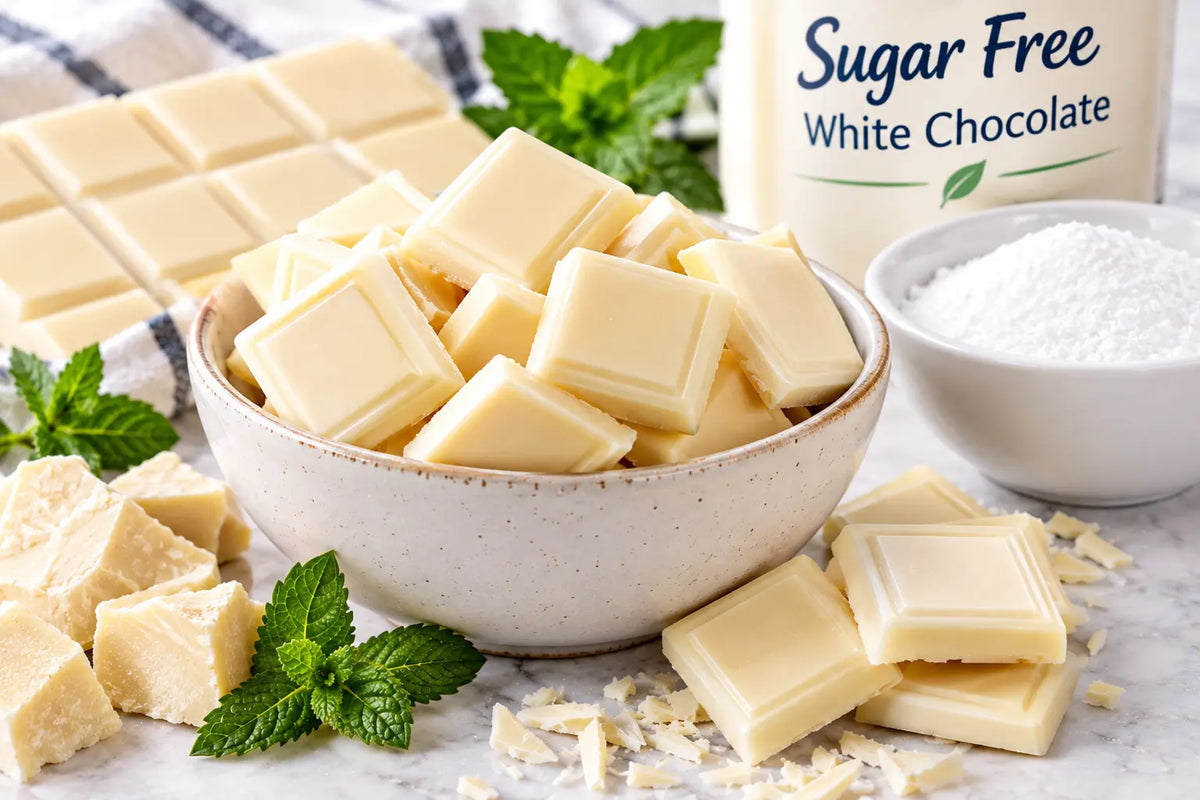
White chocolate has always occupied a strange spot in the candy world. Technically not chocolate at all by some definitions, since it skips cocoa solids entirely, it still manages to taste unmistakably like chocolate's sweeter, creamier cousin. That creamy sweetness comes almost entirely from sugar and milk fat working together, which is exactly why making a sugar-free version of it turns out to be one of the harder projects in this whole category.
People across the US and Canada still go looking for it anyway. Diabetics want the creamy, milky flavor without the blood sugar spike. Keto followers want a low-carb way to satisfy a sweet craving that dark chocolate doesn't quite scratch. Bakers want a white chocolate that melts smoothly enough to coat strawberries or swirl into a dessert without seizing halfway through.
This piece looks at why sugar-free white chocolate behaves so differently from its dark counterpart, what actually goes into a well-made bar, and how to separate the good ones from the chalky disappointments this category is still known for.
Anyone exploring the wider sugar-free chocolate world should also check our piece on sugar-free chocolate that nobody will guess is sugar-free, and our broader guide to the best sugar-free desserts covers more low-sugar options beyond chocolate.
Why Shoppers Keep Searching for This One
A look at search activity around sugar-free white chocolate turns up a fairly specific set of frustrations, more than with most sugar-free candy categories.
-
Why does sugar-free white chocolate taste chalky?
-
Best sugar-free white chocolate brands
-
Sugar-free white chocolate for baking
-
Keto white chocolate recipe
-
Sugar-free white chocolate net carbs
-
Does sugar-free white chocolate melt properly?
That last question shows up more often than you'd expect. White chocolate has a reputation, earned honestly, for being one of the trickier sugar-free chocolate styles to actually get right.
The Real Difference Between White and Dark Chocolate
Dark chocolate leans on cocoa solids for most of its flavor. Sugar plays a supporting role, rounding off bitterness rather than carrying the whole flavor by itself. White chocolate flips that relationship entirely. It contains no cocoa solids at all, just cocoa butter, milk solids, and sugar. Remove the sugar and there's a real risk of removing most of the flavor along with it.
This is the core reason sugar-free white chocolate has a rockier reputation than sugar-free dark chocolate. Dark chocolate can lean on cocoa's natural intensity to cover for an imperfect sweetener. White chocolate has nothing else to hide behind. Whatever sweetener goes in has to do nearly all the work sugar used to do, both in taste and in how the final bar behaves once it sets.
What Replaces the Sugar
A small set of ingredients shows up again and again in decent sugar-free white chocolate recipes and products.
-
Allulose has become the preferred choice among people who make this at home, since it dissolves cleanly and avoids the gritty texture that plagues so many attempts at sugar-free white chocolate.
-
Powdered erythritol works too, though it carries a higher risk of a slightly grainy finish compared to allulose, especially if it isn't ground finely enough.
-
Monk fruit blends sometimes get used alongside one of the above, mostly to round out sweetness without adding more bulk.
-
Stevia appears occasionally, though its aftertaste tends to clash more noticeably in white chocolate than it does in darker, more flavor-dense styles.
Getting the sweetener right matters more here than in almost any other sugar-free candy, precisely because there's so little else in the recipe to mask a poor choice.
The Milk Powder Problem
Most people trying to make sugar-free white chocolate at home for the first time run into a surprising obstacle that has nothing to do with sweetener at all. Standard grocery store milk powder, the nonfat kind most households have on hand, doesn't contain enough fat to create that signature creamy texture.
Getting this right usually means seeking out whole milk powder, heavy cream powder, or coconut milk powder specifically, all of which carry the fat content needed to replicate real white chocolate's mouthfeel. This is a detail commercial brands have already solved, but it trips up a lot of home cooks attempting their first batch.
A Quick Comparison: White vs Dark Sugar-Free Chocolate
|
Sugar-Free White Chocolate |
Sugar-Free Dark Chocolate |
|
|
Contains cocoa solids |
No |
Yes |
|
Relies on sweetener for flavor |
Heavily |
Lightly |
|
Common texture issue |
Grainy or chalky |
Rarely an issue |
|
Melting behavior |
Prone to seizing |
Generally smooth |
|
Typical net carbs per serving |
1 to 3 grams |
1 to 3 grams |
Net carbs land in a similar range across both styles, but the path to getting there, and the risk of a disappointing bar along the way, looks quite different.
Is Sugar-Free White Chocolate Keto Friendly?
Yes, in most cases, and the carb count usually sits close to sugar-free dark chocolate. A typical serving runs somewhere between 1 and 3 grams of net carbs, depending on the sweetener and how much milk powder or cream is used in the recipe.
The bigger keto consideration here isn't carbs. It's fat content, since white chocolate's creamy texture comes largely from cocoa butter and milk fat, both of which fit comfortably into a high-fat keto approach anyway.
Who Reaches for This Chocolate Most
People Managing Diabetes
Low-glycemic sweeteners keep white chocolate from spiking blood sugar the way the traditional version would, letting this specific craving stay satisfied without much worry.
Keto and Low-Carb Bakers
A properly made sugar-free white chocolate melts well enough to use in baking, dipping, or swirling into other desserts, making it a useful pantry item beyond just snacking.
People Who Simply Prefer White Chocolate Over Dark
Not every white chocolate fan is chasing dark chocolate's antioxidant reputation. Some people just like the creamier, sweeter flavor better, sugar or no sugar.
Anyone Building a Dessert That Calls Specifically for White Chocolate
Certain recipes, like a white chocolate raspberry cheesecake or a peppermint bark topping, depend on that specific flavor and can't easily substitute in dark chocolate instead.
Where Homemade Batches Tend to Go Wrong
A handful of recurring mistakes explain most of the disappointing sugar-free white chocolate people end up with.
-
Using nonfat milk powder. Without enough fat content, the finished chocolate turns out thin and lacks the creamy body real white chocolate has.
-
Letting water touch the melting cocoa butter. Even a small amount of moisture can cause the mixture to seize into a grainy, unusable mess.
-
Using granulated sweetener instead of powdered. A gritty sweetener leaves a gritty finished bar, since there's no cocoa solid texture to help mask it.
-
Skipping the emulsifier. A small amount of lecithin, sunflower or soy based, helps bind the fat and milk solids together smoothly, and skipping it can leave the texture slightly separated.
-
Storing it somewhere too warm. Homemade batches without stabilizers common in commercial chocolate melt far more easily at room temperature than a store-bought bar.
Reading a Sugar-Free White Chocolate Label
A little label knowledge helps sort the good bars from the disappointing ones before you even take a bite.
-
Check the ingredient order, since cocoa butter should sit near the top rather than buried under a long list of stabilizers.
-
Look for the specific sweetener used, since a blend usually performs better than a single ingredient alone.
-
Confirm whether milk powder or a dairy-free alternative like coconut milk powder was used, especially if avoiding dairy matters to you.
-
Check the net carb count against the serving size, since some bars quietly use a smaller serving to make the number look better than it is.

Choosing a Brand Worth Buying
A few details tend to separate a genuinely good sugar-free white chocolate bar from a chalky disappointment.
-
A short ingredient list, ideally cocoa butter, a named sweetener, milk solids or a dairy-free alternative, and a small amount of lecithin.
-
Reviews that specifically mention texture, since this is the single biggest complaint tied to this category.
-
Clear storage instructions on the packaging, since this chocolate is more temperature-sensitive than most sugar-free dark chocolate.
-
A maker that specializes in sugar-free chocolate specifically, since white chocolate rewards extra recipe testing more than most other styles.
Andy Anand's approach to sugar-free chocolate reflects that same level of care, treating white chocolate as its own challenge rather than a simple color swap on a dark chocolate recipe.
For a wider look at the sugar-free chocolate lineup, our piece on sugar-free chocolate that nobody will guess is sugar-free covers more ground worth exploring.
Making It at Home Without the Common Pitfalls
For anyone determined to try this at home, a general approach looks like this.
-
Melt cocoa butter gently over a double boiler, never in direct heat or a microwave, which risks scorching it unevenly.
-
Blend your powdered sweetener with fat-rich milk powder until finely combined, removing any clumps that could leave a gritty texture.
-
Stir the milk powder and sweetener blend into the melted cocoa butter along with a small amount of coconut oil for extra creaminess.
-
Add a pinch of salt and vanilla extract to round out the flavor.
-
Pour the mixture into molds or a lined pan.
-
Chill until fully set, then store in the fridge rather than at room temperature.
Precision matters more here than in most sugar-free desserts, mostly because there are so few ingredients standing between success and a grainy, disappointing batch.
Baking and Cooking With Sugar-Free White Chocolate
Once you have a good bar or batch on hand, it opens up a few specific uses that dark chocolate can't quite replace.
-
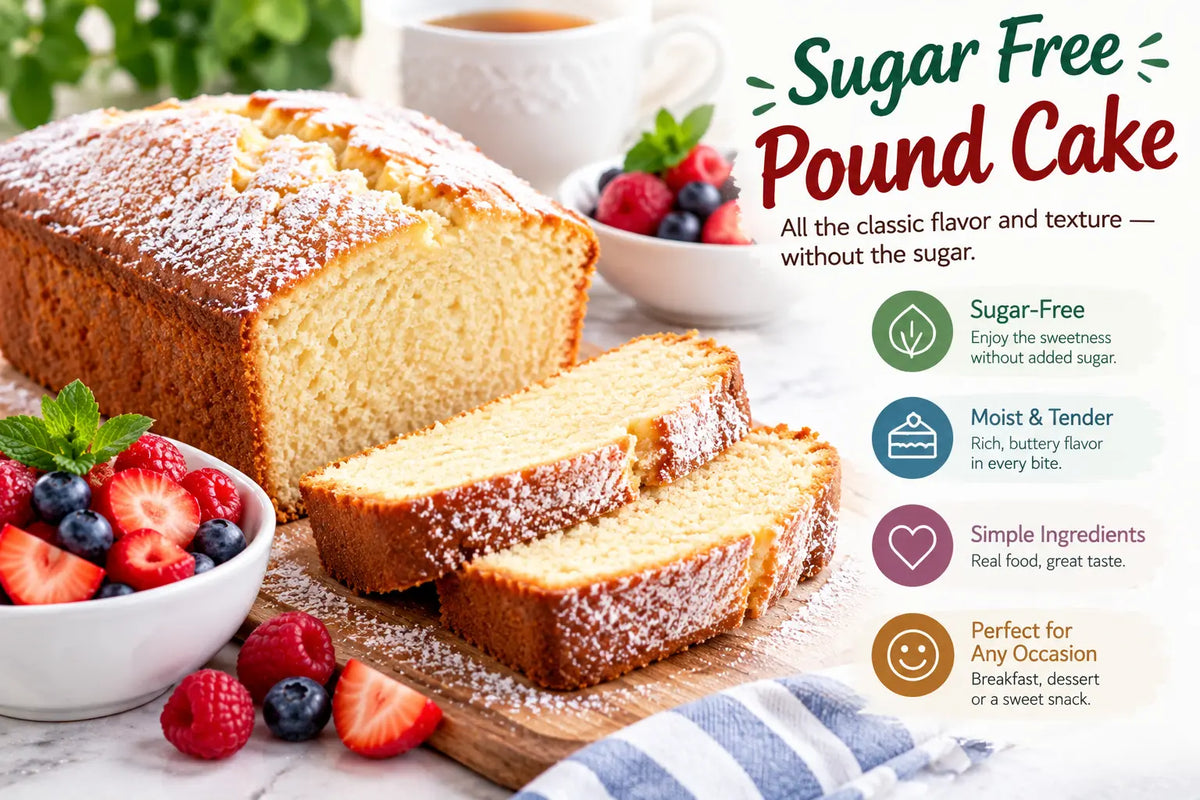
It works well drizzled over sugar-free brownies or blondies for visual contrast and added sweetness.
-
It melts into a coating for strawberries or other fruit, standing in cleanly for the traditional dipped dessert.
-
It blends into a white chocolate ganache for fillings or frostings, particularly useful for raspberry or lemon-flavored desserts that pair naturally with its sweetness.
-
It works as chips folded into cookie dough, provided the chocolate has been tempered properly to hold its shape through baking.
Storing Sugar-Free White Chocolate
Storage deserves more attention with this chocolate than with most other sugar-free candy.
-
Keep it refrigerated, especially homemade batches without commercial stabilizers.
-
Store away from strong-smelling foods, since white chocolate's high fat content absorbs odors easily.
-
Bring it to room temperature briefly before eating for the best texture and flavor.
-
Wrap tightly in an airtight container to prevent it from picking up moisture in the fridge.
Flavor Pairings That Work Well
White chocolate's mild sweetness makes it a strong base for other flavors to build on top of.
-
Raspberry or other tart berries cut through the richness and add a bright contrast.
-
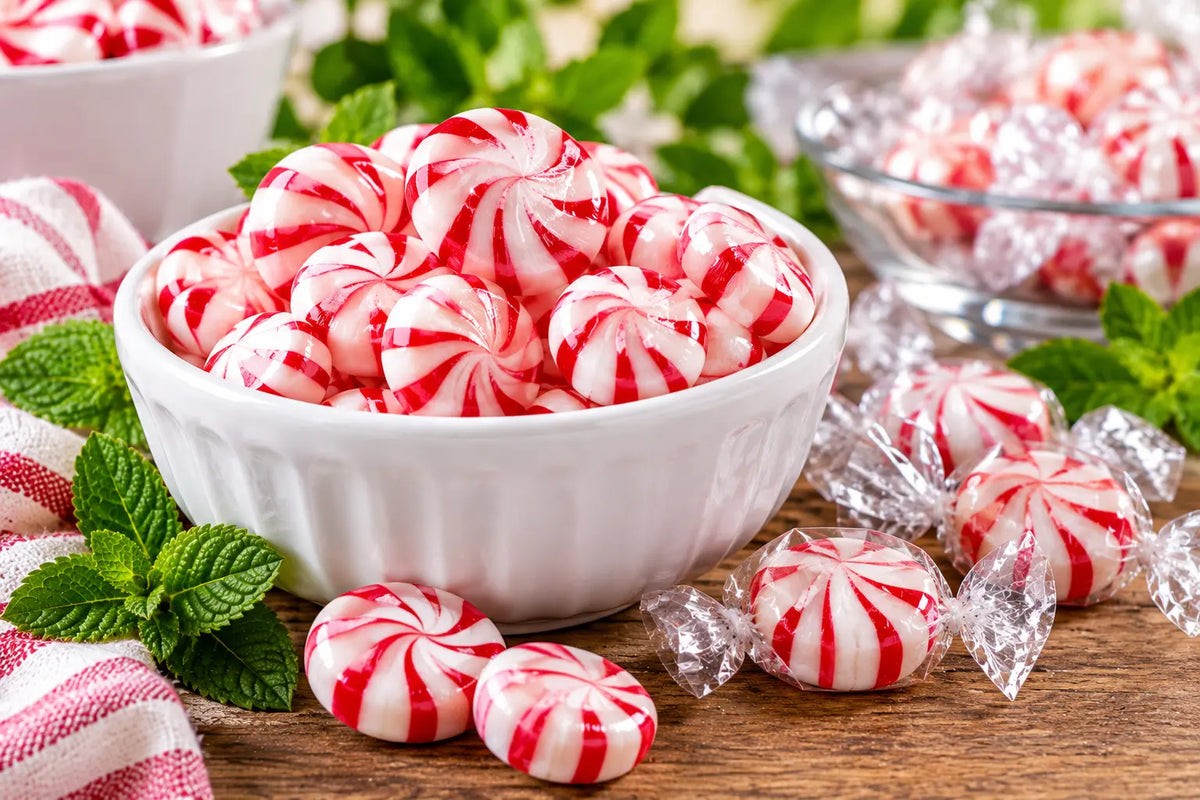
Peppermint turns it into a holiday-ready treat, especially layered with dark chocolate in a bark-style dessert.
-
Lemon or citrus zest brightens the flavor without needing extra sweetener.
-
Toasted coconut pairs naturally with white chocolate's creamy character.
-
A touch of matcha adds both color and a slightly earthy contrast to the sweetness.
A Newer Addition to an Old Category
Sugar-free dark chocolate has been around commercially for decades, largely because it was simpler to get right from the start. Sugar-free white chocolate has taken longer to mature as a category, mostly because the texture problems described earlier kept early attempts from tasting convincing. It's only in the last several years, as allulose became more widely available and manufacturers refined their milk powder blends, that sugar-free white chocolate started closing the gap with the real thing.
This more recent history is part of why the sugar-free white chocolate market still feels smaller and pricier than the dark chocolate side of the aisle. Fewer brands have invested the time needed to solve its specific challenges, which means the options that do exist tend to command a bit more trust once they get the texture right.
Where This Chocolate Shows Up Across the US and Canada
Sugar-free white chocolate has moved beyond a niche baking ingredient into a broader set of everyday uses.
-
Holiday baking, especially bark and dipped treats around the winter season
-
Baby showers and weddings, where white chocolate favors are a common gift item
-
Everyday snacking for anyone who simply prefers it over dark chocolate
-
Specialty desserts like cheesecakes and truffles that call for its specific flavor
Ingredient availability looks broadly similar in both countries, though allulose and specialty milk powders can be somewhat harder to track down in smaller Canadian grocery stores, with online ordering usually closing that gap.
Gifting Sugar-Free White Chocolate
White chocolate's pale color and mild sweetness make it a popular choice for gift boxes, particularly around weddings, baby showers, and the winter holidays.
-
Pair it with something tart, like dried raspberries or cranberries. This helps balance its natural sweetness in a gift assortment.
-
Keep shipping temperature in mind. This chocolate is more prone to melting in transit than sugar-free dark chocolate.
-
Include a note about the sweetener used. This is especially helpful for a recipient managing diabetes who wants to check the details before eating.
-
Consider a mixed box pairing white and dark sugar-free chocolate together. This gives a gift more variety than a single flavor alone.
A little extra care in how it's packaged and shipped goes a long way toward making sure a delicate white chocolate gift arrives looking as good as it tastes.
Frequently Asked Questions
Why does sugar-free white chocolate taste chalky?
This usually comes down to the sweetener or milk powder used. A granulated sweetener or nonfat milk powder can leave a gritty, chalky texture, while a powdered sweetener and fat-rich milk powder produce a much smoother result.
Is sugar-free white chocolate keto friendly?
Yes, typically. A serving usually falls between 1 and 3 grams of net carbs, similar to sugar-free dark chocolate, and its high fat content fits well into most keto approaches.
What sweetener works best for white chocolate specifically?
Allulose is widely considered the best choice, since it dissolves cleanly without the grainy texture that erythritol can sometimes leave behind in a recipe with so few other ingredients to mask it.
Can sugar-free white chocolate be used for baking?
Yes, it works well in brownies, cookies, and as a coating for fruit, provided it has been made or tempered properly so it holds its shape through baking or dipping.
Why is sugar-free white chocolate more expensive than dark?
Fewer brands have solved its specific texture challenges, and the ingredients involved, particularly specialty milk powders and allulose, tend to cost more than standard sugar-free chocolate inputs.
Does sugar-free white chocolate need to be refrigerated?
Yes, more so than dark chocolate. Without the stabilizers found in some commercial products, homemade batches especially melt easily at room temperature and hold their texture better chilled.
Is sugar-free white chocolate technically chocolate?
By some definitions, no, since it contains no cocoa solids, only cocoa butter. It's still generally sold and eaten as a type of chocolate regardless of that technical distinction.
Can sugar-free white chocolate be made dairy free?
Yes, using coconut milk powder in place of traditional milk powder. This also keeps the flavor slightly different, with a mild coconut note some people prefer.
Where can I buy good sugar-free white chocolate in the US and Canada?
A handful of specialty low-carb chocolate brands carry it, often found online rather than on general grocery shelves, with bakeries that specialize in sugar-free treats typically offering a more reliable texture.
Can sugar-free white chocolate be tempered like regular chocolate?
Yes, though it can be slightly trickier due to its higher fat content and lack of cocoa solids. Careful, gradual heating and cooling still produces a glossy, snappable finish similar to properly tempered dark chocolate.
Is sugar-free white chocolate safe for kids?
In moderate amounts, yes. Since it's often sweetened with sugar alcohols, keeping portions small for younger children is a sensible precaution, the same as with any sugar-free treat.
Sugar-free white chocolate asks more of its ingredients than almost any other chocolate style, simply because it has fewer places to hide an imperfect sweetener or the wrong kind of milk powder. Get the fat content and sweetener right, though, and the result holds up remarkably close to the real thing, creamy and mild in exactly the way white chocolate is supposed to be.
For more ways to round out a sugar-free treat rotation, the best sugar-free desserts guide and our closer look at sugar-free chocolate that nobody will guess is sugar-free are both worth reading next.