10 Sugar-Free Halloween Candies Nobody Will Guess Are Sugar-Free
Halloween runs almost entirely on candy, which makes it one of the harder holidays for anyone managing diabetes, following keto, or just trying to cut back on sugar. A single night of trick-or-treating can put a child well past a reasonable daily sugar intake, and for a parent managing a child's diabetes, that often means sitting the whole evening out entirely, standing at the door handing out treats they can't let their own kids eat.
The good news is that sugar-free candy has come a long way in the past several years. A bowl built around the right picks won't feel like a consolation prize to anyone who grabs a piece, and it opens the holiday back up to households that used to dread it.
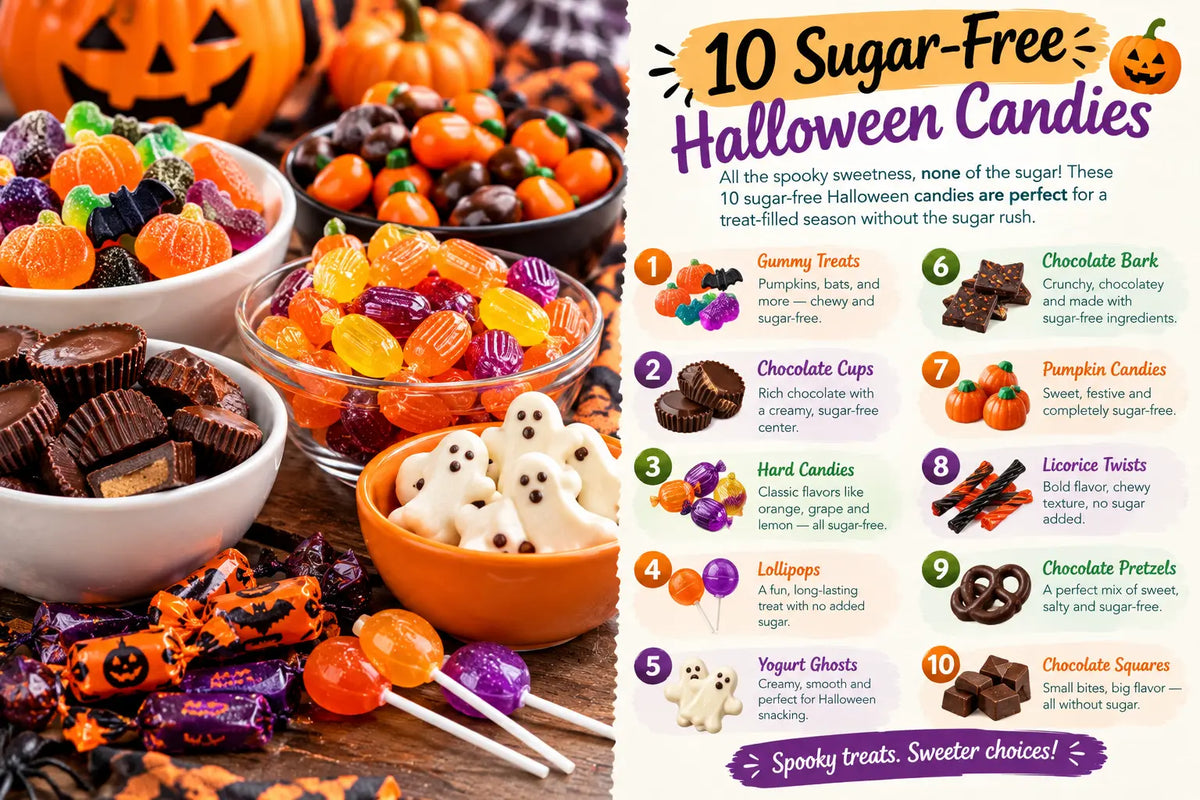
This guide covers ten sugar-free candies worth adding to this year's Halloween lineup, along with the practical details, shelf life, allergen notes, and shopping timing that make the difference between a good stock-up and a disappointing one.
Why Halloween Candy Gets Special Attention
Most holidays involve sugar somewhere. Halloween is different because the candy isn't a side dish to a meal; it's the entire point of the evening. A trick-or-treater can easily collect and eat more candy in a single night than they would across several regular weeks combined, which makes portion awareness matter more here than almost anywhere else on the calendar.
That reality has pushed sugar-free Halloween candy from a niche specialty item into something most major retailers now stock seasonally. Parents managing a child's diabetes, adults watching their own intake, and households simply trying to moderate how much sugar comes through the front door all shop in this category for slightly different reasons, but they're looking for the same thing: candy that still feels like Halloween.
The Ten Candies Worth Stocking This Year
1. Sugar-Free Chocolate Bars
A classic candy bar shape is still the most recognizable thing in any Halloween bowl. A sugar-free dark or milk chocolate bar, broken into fun-size pieces, gives out-of-towners and grown-ups alike something familiar without the sugar crash. Dark chocolate versions tend to perform most consistently in this format, since cocoa's natural intensity covers for the sweetener better than a milk chocolate recipe can.
2. Sugar-Free Gummy Bears
Kids gravitate toward gummies first, every single year. A sugar-free version with bright, fruity flavors keeps that appeal intact, and individually portioned bags make handing them out simple. Worth noting: sugar alcohols in larger amounts can cause digestive discomfort, so a small, trick-or-treat-sized portion is actually the right call here, not just a cost-saving measure.
3. Sugar-Free Hard Candy
Lemon drops, fruit-flavored drops, or classic mixed hard candy travel well in a trick-or-treat bag and last long after the candy corn has disappeared. They're also one of the easiest sugar-free candies to make well, since hard candy translates cleanly from a regular to a sugar-free recipe, with isomalt or erythritol closely mimicking real sugar's glassy texture.
4. Sugar-Free Chocolate Truffles
For the grown-ups answering the door, a small box of sugar-free truffles makes a far better personal treat than stolen pieces from the trick-or-treat bowl. Rich, dense, and easy to portion, truffles feel like a reward rather than a leftover, and they keep well in the fridge for the stretch of parties and gatherings Halloween weekend often brings.
5. Sugar-Free Peanut Butter Cups
A peanut butter and chocolate combination is one of the most requested Halloween flavors every year. A sugar-free version keeps that pairing intact, and the rich peanut butter flavor tends to mask any aftertaste from the sweetener better than a plain chocolate bar would. Worth checking labels carefully here for anyone managing a peanut allergy in the household receiving trick-or-treaters.
6. Sugar-Free Candy Corn
Love it or hate it, candy corn is a Halloween fixture that shows up nowhere else on the calendar. A sugar-free version lets the people who genuinely enjoy it keep the tradition going without the sugar load that typically comes with a handful, since traditional candy corn is almost entirely sugar and corn syrup by weight.
7. Sugar-Free Caramels
Soft, chewy, and a little nostalgic, sugar-free caramels wrapped individually make a nice change of pace from an all-chocolate bowl. They also travel well in a trick-or-treat bag without melting the way chocolate can on a warm October evening, particularly in warmer parts of the US and Canada where Halloween night doesn't always come with cool weather.
8. Sugar-Free Lollipops
Lollipops last longer than most candy, which makes them a practical choice for younger trick-or-treaters who might not finish a whole bag of candy in one sitting anyway. A sugar-free version means parents can say yes without much hesitation, and spooky-themed wrappers add some seasonal fun without adding much sugar to the night.
9. Sugar-Free Chocolate-Covered Pretzels
The salty-sweet combination works just as well sugar-free as it does with regular chocolate. These make a good addition for anyone who wants something a little different from the usual candy bar lineup, and the pretzel base actually helps balance out any sweetener aftertaste in the chocolate coating.
10. Sugar-Free Variety Bags
For a Halloween party or a house expecting a lot of visitors, a mixed bag covering a few different sugar-free candies, hard candy, gummies, and chocolate together, gives trick-or-treaters some choice without requiring several separate purchases. This is also the most practical option for a host unsure what specific flavors their guests prefer.
What to Check Before You Buy
A few label details matter more during Halloween shopping than during a casual candy purchase the rest of the year.
-
Sweetener type. Maltitol and sorbitol carry a higher risk of digestive discomfort in larger amounts than erythritol or allulose, which matters more here since kids may eat several pieces across one evening.
-
Allergen statements. With so much candy changing hands between different households, checking for nut, dairy, and gluten warnings matters more than usual, especially if you don't know every family in the neighborhood personally.
-
Individual wrapping. Loose candy is harder to manage in the dark and doesn't hold up as well in a trick-or-treat bag jostled around for hours.
-
Expiration dates. Sugar-free candy bought early in the season, sometimes weeks ahead, should have an expiration date that comfortably clears Halloween night itself.
A Quick Comparison of This Year's Top Picks
|
Candy Type |
Shelf Stability |
Best For |
Watch Out For |
|
Chocolate bars |
Moderate, avoid heat |
Broad appeal |
Melting in warm weather |
|
Gummy bears |
High |
Kids specifically |
Overeating sugar alcohols |
|
Hard candy |
Very high |
Long-lasting treats |
None major |
|
Caramels |
Moderate |
Nostalgic appeal |
Sticking together in heat |
|
Lollipops |
High |
Younger trick-or-treaters |
Choking hazard for very young kids |
This table reflects general tendencies across brands rather than any single product, since quality still varies between manufacturers.
Why This Matters More Than You'd Think
Halloween candy adds up fast, and the sheer volume involved makes it different from almost any other single-day sugar event on the calendar. Having a few sugar-free options in the mix, whether for your own kids or to hand out at the door, turns Halloween into something everyone can actually enjoy rather than a night of careful rationing or outright avoidance.
For a deeper look at the full range of sugar-free treats available year round, our guide to the best sugar-free desserts covers far more than just Halloween candy.
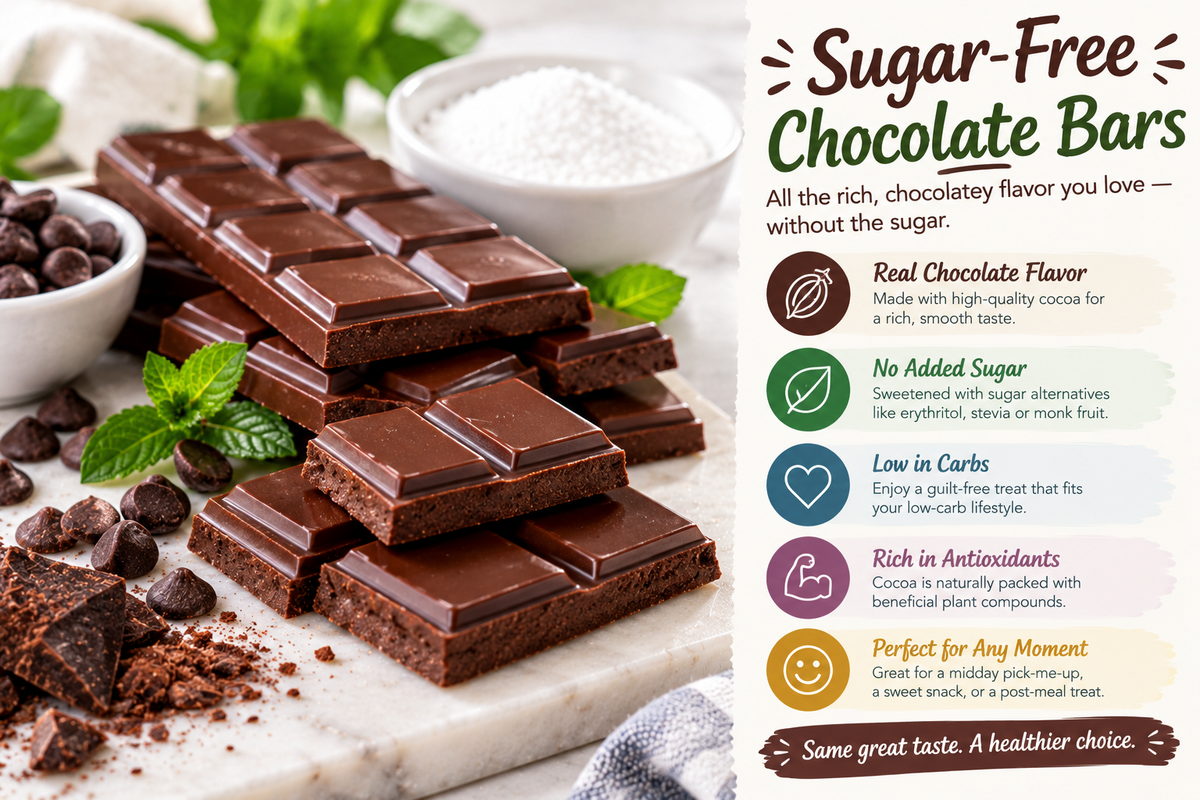
And if chocolate is specifically what you're after this season, our piece on sugar-free chocolate that nobody will guess is sugar-free is worth a look before you stock up.
A Few Tips for Handing Out Sugar-Free Candy
-
Keep sugar-free and regular candy in separate bowls if you're offering both, so trick-or-treaters and parents can choose easily without having to ask.
-
Stick with individually wrapped options for anything going out the front door, since loose candy is harder to manage in the dark and doesn't hold up to being tossed into a bag with dozens of other items.
-
Buy a little extra, since sugar-free candy tends to go just as fast once word gets around the neighborhood, and running out partway through the evening means scrambling for a backup.
-
Check expiration dates if buying early, since some sugar-free candy has a shorter shelf life than the traditional version, particularly anything made with natural, less processed ingredients.
-
Consider a small sign or note by the door if you're handing out sugar-free candy specifically, since parents managing a child's diabetes often appreciate knowing ahead of time which houses have an option that works for their kid.
A Brief History of Halloween Candy
Trick-or-treating as most Americans know it today didn't fully take hold until the mid-20th century, once wartime sugar rationing ended and candy manufacturers began marketing individually wrapped treats specifically for the holiday. Before that, Halloween treats were more likely to be homemade, popcorn balls, caramel apples, or baked goods, rather than the mass-produced candy that now dominates the evening.
That shift toward packaged candy is part of why Halloween feels so tied to specific brands and candy types today, things like candy corn, miniature chocolate bars, and classic hard candy have been part of the tradition for generations. It also explains why sugar-free versions of these same classics tend to matter more to people than a sugar-free version of a newer, less traditional treat might. The nostalgia is baked into the format itself, not just the flavor.
Sugar-Free Candy for Adults, Not Just Kids
It's easy to frame Halloween candy entirely around trick-or-treaters, but a significant share of sugar-free Halloween shopping is for adults. Halloween parties, office candy bowls, and the simple reality of leftover candy sitting around the house for weeks afterward all mean adults end up eating a fair amount of Halloween candy too, whether they're managing diabetes, following keto, or just trying to be more mindful about sugar heading into the heavier eating season that follows through Thanksgiving and Christmas.
A few picks on this list lean more toward adult appeal specifically. Truffles and a well-made dark chocolate bar tend to get requested more by grown-ups answering the door than by the trick-or-treaters themselves, and keeping a separate small stash specifically for yourself, rather than digging into the bowl meant for kids, is a popular practical tip among people managing their own sugar intake during the holiday.

Hosting a Halloween Party With Sugar-Free Options
Beyond the front door, Halloween parties bring their own candy and dessert expectations. A spread that includes sugar-free options alongside traditional treats lets guests managing diabetes or a specific diet participate fully rather than picking around the table.
-
Label a section of the dessert table clearly as sugar-free, so guests don't need to ask and can serve themselves with confidence.
-
Include a mix of textures, chocolate, gummy, and hard candy, rather than one single type, since guests have different preferences even within the sugar-free category.
-
Pair candy with a sugar-free themed dessert, like a spiced cake or a chocolate treat shaped for the season, to round out the table beyond just candy.
-
Ask ahead about any guests with specific needs if you're hosting a smaller, more personal gathering, since some guests managing diabetes closely appreciate knowing what will be served before they arrive.
Sending Sugar-Free Halloween Treats to Kids Away From Home
For college students, kids in sleepaway situations, or family members who've moved away, a Halloween care package has become a popular tradition in its own right. A sugar-free version works especially well for a young adult managing their own diabetes for the first time without a parent managing it for them day to day.
-
Choose a mix of shelf-stable items, hard candy and chocolate bars ship and store more reliably than anything with a soft, perishable filling.
-
Include a handwritten note about what's inside and which sweeteners were used, since a care package recipient may be opening it without immediate access to the packaging for reference.
-
Time shipping to arrive a few days before Halloween itself, giving some buffer for any delivery delays during a busy shipping period.
-
Consider pairing candy with something seasonal but non-food, like a small Halloween-themed item, to round out the package beyond just sweets.
Planning Your Halloween Candy Budget
Sugar-free candy typically costs more per piece than its regular counterpart, which is worth factoring into how much you buy and when. Shopping a few weeks ahead, rather than the week of Halloween, often means better selection and sometimes better pricing, since demand for sugar-free seasonal candy tends to spike hard in the final days before the holiday. Buying in bulk variety packs, once you've confirmed a brand's quality through a smaller trial purchase, is usually the most cost-effective way to stock a full bowl without overspending.
A practical approach many households use is splitting the budget between a smaller, higher-quality stash for the family's own trick-or-treaters or party guests, and a larger, more economical bulk bag for the front door, where volume matters more than variety. This keeps the overall cost manageable while still making sure the people you know personally get the better options.
Halloween remains one of the few holidays where a single evening's shopping list can set the tone for how the whole household experiences the day. Getting the sugar-free side of that list right, with enough variety, enough quantity, and the right mix of shelf-stable options, turns what used to be a stressful night for a lot of families into just another fun part of the season.
Frequently Asked Questions
Is sugar-free Halloween candy safe for trick-or-treaters with diabetes?
Most sugar-free candy causes a much smaller blood sugar rise than regular candy, making it a safer option for trick-or-treaters managing diabetes. Checking the label for total carbs is still worth doing, since amounts can vary between brands.
How much sugar-free candy should I buy for Halloween night?
A good rule of thumb is to buy slightly more than you think you'll need, since sugar-free options tend to get requested specifically once neighbors realize they're available, and they also work well as leftover treats after the holiday.
Does sugar-free candy stay fresh as long as regular Halloween candy?
Most sugar-free hard candy and chocolate have a shelf life close to their regular counterparts, though checking expiration dates is worth doing if buying several weeks ahead of the holiday.
Can sugar-free candy be mixed in with regular candy for trick-or-treaters?
Yes, though keeping them in separate bowls or clearly labeled containers makes it easier for parents and kids to choose what works for them without having to ask.
Why does sugar-free candy cost more than regular Halloween candy?
Specialty sweeteners like erythritol, allulose, and monk fruit cost more to produce than plain sugar, and sugar-free candy is often made in smaller production runs, which adds to the per-piece price compared to mass-produced regular candy.
Is it safe to give sugar-free candy to kids who don't have diabetes?
Yes, in normal Halloween-night amounts. Sugar alcohols can cause mild digestive discomfort in very large quantities, but a typical trick-or-treating haul of a few pieces is unlikely to cause any issue for a child without diabetes.
What's the best sugar-free candy for a house that gets a lot of trick-or-treaters?
Hard candy and lollipops tend to be the most practical choice for high-traffic houses, since they're shelf-stable, inexpensive relative to chocolate, and don't require refrigeration or careful handling in warm weather.
Should I tell trick-or-treaters that my candy is sugar-free?
It's generally a good idea, especially for parents managing a child's diet closely. A small sign or a quick mention as you hand it out helps families make an informed choice without slowing down the line at your door.
Can sugar-free Halloween candy be used in baked goods after the holiday?
Yes, leftover sugar-free chocolate bars and candy work well chopped into cookies, blondies, or trail mix after Halloween, which is a practical way to use up extra candy without letting it go to waste.
Is there a difference between sugar-free and "no sugar added" Halloween candy?
Yes, "no sugar added" means no sugar was introduced during processing, but the product may still contain natural sugars from other ingredients. "Sugar-free" typically means the product is sweetened entirely with substitutes, so checking the actual nutrition label is the most reliable way to know what you're buying either way.
Halloween doesn't have to mean choosing between tradition and a sugar-conscious diet. With the right picks in the bowl, nobody at the door has to know the difference, and everyone from toddlers to grandparents can enjoy the night the way it's meant to be enjoyed.